
Intermittent Fasting: A Practical Guide to Getting Started and Seeing Real Results in 2026
Intermittent fasting (often shortened to IF) has become one of the most popular health trends of the last decade—and honestly, for good reason. It's not about what you eat, but when you eat. I've tried it myself on and off over the years, and while it wasn't always easy at first, the benefits like steady energy and easier weight management kept me coming back. As we head into 2026, the science around intermittent fasting is stronger than ever, with new studies showing promise for everything from fat loss to longevity. But it's not magic, and it's definitely not for everyone. Let's dive into what it really is, how it works, the pros and cons, and how you can try it without feeling miserable.
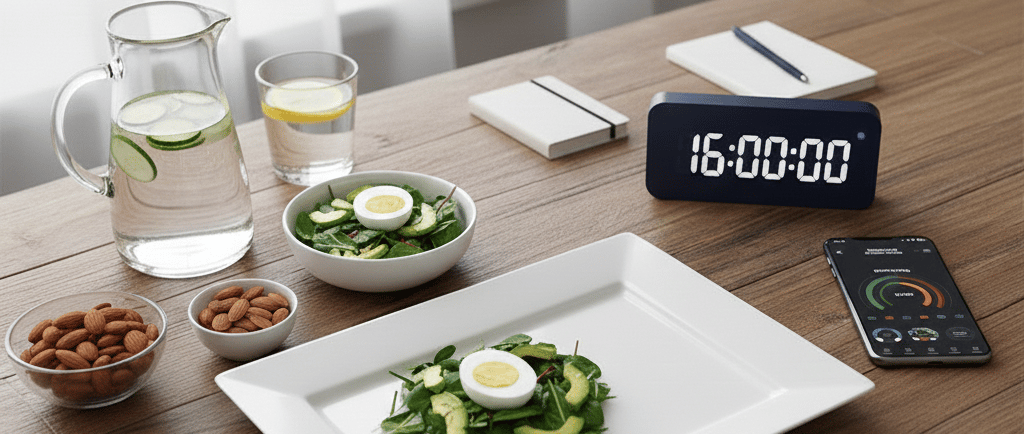

What Exactly Is Intermittent Fasting?
At its core, intermittent fasting is an eating pattern that cycles between periods of eating and fasting. Your body spends time digesting food and time repairing itself.
The most common methods:
• 16/8 method: Eat within an 8-hour window (e.g., noon to 8 p.m.), fast for 16 hours.
• 18/6: A stricter version with a 6-hour eating window.
• 5:2 diet: Eat normally 5 days a week, restrict to 500–600 calories on 2 non-consecutive days.
• Eat-Stop-Eat: Full 24-hour fasts once or twice a week.
• Alternate-day fasting: Alternate normal eating days with very low-calorie days.
Most people start with 16/8 because it's sustainable—no counting calories, just shifting meal times.
During fasting windows, you can have water, black coffee, tea, or other zero-calorie drinks. No cream or sugar, though!
How Intermittent Fasting Works in Your Body
When you fast for 12+ hours, insulin levels drop, and your body starts burning stored fat for energy. Around 16–24 hours in, autophagy kicks in—a cellular "clean-up" process where damaged parts are recycled. This is why some researchers link IF to anti-aging effects.
Hormones shift too: Human growth hormone rises (helping preserve muscle), and norepinephrine increases (boosting metabolism).
The Real Benefits (Backed by Recent Research)
In 2026 reviews and trials:
• Weight and fat loss: Easier calorie reduction without feeling deprived; many lose 3–8% body weight in 3–12 months.
• Better insulin sensitivity: Great for prediabetes or type 2 diabetes management.
• Heart health: Lower blood pressure, cholesterol, and inflammation markers in some studies.
• Brain boost: Improved focus and potential protection against neurodegenerative diseases.
• Gut health and longevity: Animal studies show extended lifespan; human data is promising but ongoing.
Personally, I noticed fewer energy crashes and less mindless snacking.
Potential Downsides and Who Should Be Careful
It's not all sunshine. Common side effects early on:
• Hunger, irritability, headaches
• Fatigue or trouble sleeping
• Overeating during windows (undoing benefits)
Longer-term concerns from some studies: Possible muscle loss if not strength training, hormonal disruptions in women (especially if too aggressive), or slowed metabolism if calories drop too low.
Avoid IF if you're pregnant, breastfeeding, underweight, have eating disorder history, or certain medical conditions. Always chat with a doctor first.
How to Start Intermittent Fasting Without Quitting on Day 3
1. Pick an easy method — Start with 12/12 (eat 12 hours, fast 12) and build to 16/8.
2. Ease in gradually — Delay breakfast by an hour each day.
3. Stay hydrated — Water, herbal tea, black coffee help curb hunger.
4. Focus on nutrient-dense meals — Protein, healthy fats, veggies to stay full.
5. Listen to your body — If you feel awful, adjust or stop.
6. Combine with exercise — Strength training preserves muscle; light walks during fasts feel great.
A typical 16/8 day for me:
• Fast until noon (black coffee in the morning)
• Lunch: Big salad with grilled chicken, avocado, olive oil
• Dinner: Salmon, broccoli, sweet potato
• Maybe a snack if needed: Greek yogurt or nuts
Common Mistakes to Avoid
• Treating eating windows like buffets (calories still matter!)
• Skipping sleep or stressing—both raise cortisol and hunger
• Going too extreme too fast
• Not eating enough protein/fiber
• Ignoring electrolytes (add salt to water if needed)
Is Intermittent Fasting Sustainable Long-Term?
Many people (including researchers) do it for years with no issues. Others use it periodically for weight maintenance. In 2026, apps like Zero or Life Fasting make tracking effortless, and more restaurants accommodate later eating times.
It's flexible—life happens, weddings, travel—so don't aim for perfection.
Final Thoughts
Intermittent fasting isn't a diet; it's a timing tool that can simplify eating and unlock health benefits for many. If you're curious about resetting your relationship with food or shedding some stubborn pounds, give 16/8 a honest 2–4 week try.
Worst case? You learn your body's hunger signals better. Best case? You gain energy, clarity, and a slimmer waistline without obsessive counting.
Just remember: Sustainable health is about what works for you long-term, not chasing trends.