
Mediterranean Diet Meal Plan: A Simple 7-Day Guide for Beginners in 2026
The Mediterranean diet consistently ranks as one of the healthiest ways to eat, thanks to its focus on whole foods, healthy fats, and plenty of plants. I've followed it on and off for years, and it's helped me feel more energized without feeling deprived. As we head into 2026, with even more research backing its benefits for heart health, longevity, and weight management, it's a great time to give it a try.
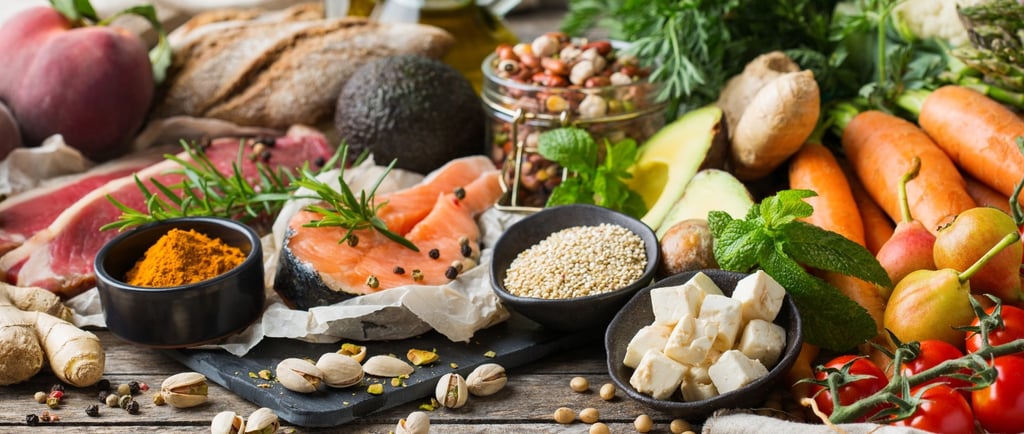
This isn't a strict "diet" with calorie counting—it's a lifestyle inspired by eating patterns in countries like Greece, Italy, and Spain. Key principles:
• Lots of vegetables, fruits, whole grains, legumes, nuts, and olive oil
• Moderate fish, poultry, dairy (like yogurt and cheese), and eggs
• Limited red meat, sweets, and processed foods
• Herbs and spices for flavor instead of salt
• Enjoy meals with others when possible, and stay active
Here's a simple, realistic 7-day Mediterranean diet meal plan for beginners. Portions are flexible—adjust based on your needs (aim for 1,500–2,500 calories/day depending on activity level). Focus on fresh ingredients and olive oil as your main fat.
Day 1
Breakfast: Greek yogurt with fresh berries, a drizzle of honey, and a handful of walnuts
Lunch: Greek salad (tomatoes, cucumbers, olives, feta, red onion) dressed with olive oil and lemon
Dinner: Grilled salmon with quinoa, roasted vegetables (zucchini, bell peppers, eggplant)
Snack: Apple slices with a few almonds
Day 2
Breakfast: Whole-grain toast with avocado and a poached egg
Lunch: Chickpea salad with cherry tomatoes, parsley, feta, and olive oil vinaigrette
Dinner: Baked chicken with herbs, brown rice, and steamed broccoli
Snack: Fresh figs or grapes
Day 3
Breakfast: Oatmeal cooked with milk, topped with sliced banana and pistachios
Lunch: Lentil soup with whole-grain bread and a side salad
Dinner: Grilled fish (like sardines or tuna) with couscous and mixed greens
Snack: Hummus with carrot and cucumber sticks
Day 4
Breakfast: Smoothie with spinach, banana, Greek yogurt, and a splash of almond milk
Lunch: Caprese salad (tomatoes, mozzarella, basil) with balsamic and olive oil
Dinner: Vegetable stir-fry with tofu or shrimp, served over whole-grain pasta
Snack: A pear and a small piece of dark chocolate (70%+ cocoa)
Day 5
Breakfast: Eggs scrambled with spinach, tomatoes, and feta
Lunch: Tuna salad wrapped in lettuce leaves with olives and artichokes
Dinner: Baked cod with potatoes, green beans, and a lemon-herb sauce
Snack: Handful of mixed nuts
Day 6
Breakfast: Whole-grain pita with tahini, sliced tomatoes, and cucumber
Lunch: Falafel (baked) with tabbouleh salad
Dinner: Eggplant parmesan (lightly baked) with a side of whole grains
Snack: Yogurt with cinnamon and a few dates
Day 7
Breakfast: Chia pudding made with almond milk, topped with fresh fruit
Lunch: Quinoa bowl with roasted veggies, chickpeas, and tahini dressing
Dinner: Grilled lean poultry or fish with a large mixed salad
Snack: Orange segments with a sprinkle of cinnamon
Tips for Success
• Drink plenty of water; herbal teas or a moderate glass of red wine with dinner is optional.
• Use olive oil generously for cooking and dressings.
• Prep veggies and grains ahead for easy assembly.
• Shop for: Plenty of produce, olive oil, fish (2–3 times/week), legumes, nuts, whole grains, and herbs.
This plan is flexible—swap similar foods if needed (e.g., vegetarian options like more beans/tofu). If you're new, start slow and enjoy the flavors. Many people find it easy to stick with long-term because it's delicious and satisfying.
Consult a doctor before big changes, especially if you have health conditions. Here's to feeling great in 2026!