
Resistance Exercises for Seniors: Staying Strong and Independent as You Age
As we get older, staying active isn't just about keeping busy—it's about preserving the strength and mobility that let us enjoy life on our own terms. I've seen so many people in their 60s, 70s, and beyond transform how they feel simply by adding some simple resistance exercises into their routine. Resistance training, also called strength training, involves working your muscles against some form of resistance—whether that's your own body weight, light dumbbells, or stretchy resistance bands. It's not about bulking up like a bodybuilder; it's about building the kind of functional strength that makes everyday tasks easier and helps prevent falls. If you're a senior wondering where to start with resistance exercises, you're in the right place. In this article, we'll cover why these exercises are so valuable for older adults, the key benefits backed by research, safety tips to keep things injury-free, and a selection of practical exercises you can do at home. The goal is to help you feel more energized, balanced, and confident.
Why Resistance Exercises Matter for Seniors
Aging naturally brings changes like sarcopenia, the gradual loss of muscle mass and strength that starts around age 30 and speeds up after 60. Without intervention, this can lead to frailty, reduced independence, and a higher risk of falls—one of the biggest concerns for older adults. But here's the good news: resistance training can slow, and in many cases reverse, these effects. Studies show that even people starting in their 80s or 90s can gain significant strength with consistent effort.
Unlike cardio alone, resistance exercises target multiple systems in your body. They build muscle, strengthen bones, improve joint stability, and even boost brain health. Guidelines from health organizations recommend older adults do muscle-strengthening activities at least two days a week, focusing on major muscle groups.
The Proven Benefits of Resistance Training for Older Adults
The advantages go far beyond just feeling stronger. Here's what the evidence points to:
• Stronger Muscles and Better Balance: Building muscle helps with daily activities like climbing stairs, carrying groceries, or getting up from a chair. It also improves balance, reducing fall risk by up to 46% in some studies.
• Healthier Bones: Resistance work increases bone density, helping combat osteoporosis and lowering fracture chances.
• Improved Metabolism and Heart Health: More muscle means a higher resting metabolism, aiding weight management. It can also lower blood pressure and reduce insulin resistance, cutting risks for diabetes and heart disease.
• Enhanced Mood and Brain Function: Exercise releases feel-good chemicals, easing symptoms of depression and anxiety. Some research even links it to slower cognitive decline.
• Greater Independence: Overall, it supports vitality, making it easier to live actively and independently longer.
Many seniors report feeling more energetic and confident after just a few weeks of consistent training.
Safety First: Tips for Starting Resistance Exercises Safely
The key to success is starting slow and listening to your body. Always check with your doctor before beginning, especially if you have conditions like arthritis, heart issues, or osteoporosis.
• Breathe properly: Exhale during the effort phase, inhale during the release.
• Use good form: Focus on controlled movements rather than speed.
• Start light: Begin with bodyweight or very light resistance, aiming for 10-15 reps per set.
• Warm up and cool down: Spend 5-10 minutes walking or doing gentle stretches.
• Rest between sessions: Train 2-3 non-consecutive days per week.
• Stop if it hurts: Mild soreness is normal, but sharp pain means stop.
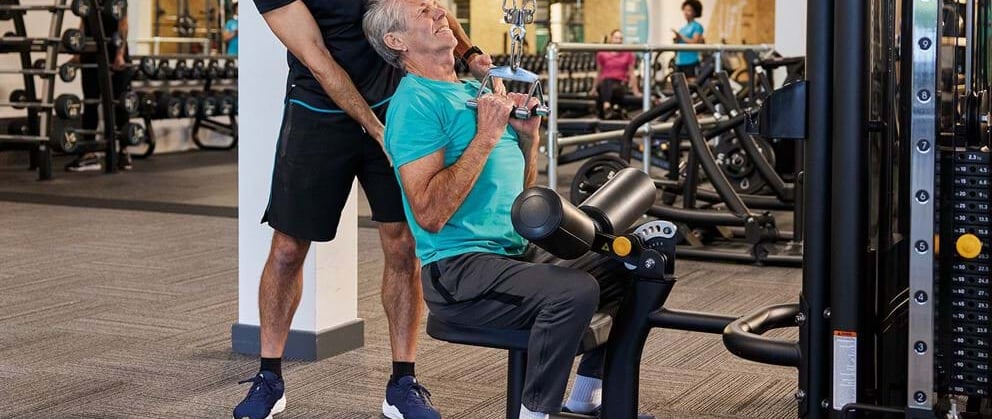
If possible, work with a trainer familiar with seniors for personalized guidance.
Recommended Resistance Exercises for Seniors
Here are some effective, beginner-friendly exercises. You can do them with bodyweight, resistance bands, or light dumbbells (1-5 pounds to start). Aim for 2-3 sets of 10-15 repetitions.
1. Chair Squats (or Sit-to-Stands)
Stand in front of a sturdy chair, feet shoulder-width apart. Lower yourself as if sitting down, lightly touching the seat, then stand back up. This builds leg and glute strength for better mobility.
2. Wall Push-Ups
Stand facing a wall, hands shoulder-width at chest height. Bend elbows to lean in, then push back. Great for chest, shoulders, and arms without floor strain.
3. Seated Row with Resistance Band
Sit with legs extended, loop a band around your feet. Pull handles toward your chest, squeezing shoulder blades. Strengthens back and posture.
4. Bicep Curls
Hold light weights or bands, palms forward. Curl hands toward shoulders. Simple yet effective for arm strength.
5. Overhead Press
Sit or stand, hold weights at shoulder height. Press upward until arms are straight, then lower. Targets shoulders for better reaching.
6. Calf Raises
Hold onto a counter, rise onto toes, then lower. Improves ankle stability and walking.
7. Leg Extensions (Seated)
Sit in a chair, extend one leg straight out, hold briefly, then lower. No equipment needed for quad strength.
8. Side Leg Lifts
Stand holding a chair, lift one leg out to the side. Enhances hip strength for balance.
9. Bridging
Lie on your back, knees bent. Lift hips toward the ceiling, squeezing glutes. Builds core and lower back.
10. Seated Marching
Sit tall, alternate lifting knees like marching. Adds gentle core work.
Mix these into a routine, perhaps focusing on upper body one day and lower the next.
Making It a Habit
Consistency beats intensity every time. Start with 20-30 minutes, 2-3 times weekly. Track progress in a notebook—what feels easier over time? Many find joining a class or exercising with a friend keeps motivation high.
Resistance exercises for seniors aren't about pushing limits; they're about reclaiming strength and enjoying life more fully. Whether you're preventing issues or regaining what time has taken, it's never too late. Give it a try—you might surprise yourself with how capable you still are.