
The Best Way to Lose Weight in 2026: Realistic, Sustainable Strategies That Actually Work
If you're searching for the best way to lose weight, you've probably seen it all—miracle pills, extreme diets, and influencers promising 30 pounds gone in a month. I've been there too. A few years back, I was frustrated with yo-yo dieting and quick fixes that never lasted. What finally worked? Shifting to sustainable habits that fit my life. As we move into 2026, the science is clearer than ever: there's no single "best" way, but a combination of evidence-based strategies leads to healthy, long-term weight loss. Let's cut through the noise and talk about what really works, based on recent studies and real-world experience.
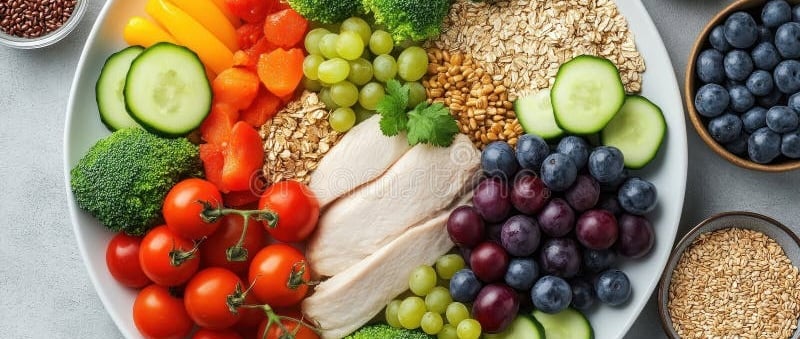
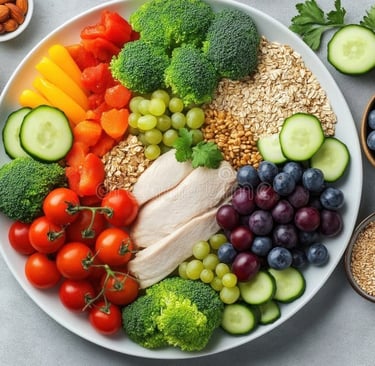
My post contentThe Foundation: Create a Calorie Deficit (But Smartly)
Weight loss boils down to science: burn more calories than you consume. A 500–1000 calorie daily deficit can lead to 1–2 pounds lost per week—safe and sustainable, per guidelines from health experts.
But crash diets fail because they're miserable. Instead:
• Track loosely at first (apps like MyFitnessPal help without obsession).
• Focus on nutrient-dense foods that keep you full: veggies, lean proteins, whole grains, healthy fats.
Prioritize Protein and Fiber
One of the biggest game-changers? Eating more protein. Studies show it boosts satiety, preserves muscle (key for metabolism), and can increase calories burned.
Aim for 1.6–2.2 grams per kg of body weight (e.g., 120–160g for a 150lb person). Sources: chicken, fish, eggs, Greek yogurt, legumes, tofu.
Pair with fiber-rich foods (veggies, fruits, oats) to stay full longer and support gut health.
Move Your Body—But Choose What You Enjoy
Exercise isn't just about burning calories; it builds muscle, improves mood, and makes weight maintenance easier.
• Strength training 2–4 times/week: Builds metabolism-boosting muscle.
• Cardio: Walking, running, cycling—aim for 150 minutes moderate activity weekly.
• NEAT (non-exercise activity): Walk more, take stairs—small habits add up.
Find something fun; consistency beats intensity
Don't Ignore Sleep and Stress
In 2026 research, poor sleep and high stress are major saboteurs. Lack of sleep messes with hunger hormones (more ghrelin, less leptin), leading to cravings.
Aim for 7–9 hours/night. Manage stress with walks, meditation, or hobbies—cortisol promotes belly fat storage.
Hydration and Mindful Eating
Drink water—often thirst masquerades as hunger. Some studies show drinking before meals aids portion control.
Eat mindfully: Slow down, savor food, stop at 80% full. This helps tune into real hunger.
Popular Approaches: What Works Best?
• Intermittent fasting: Delays eating, reduces calories naturally for many.
• Low-carb or Mediterranean: Both effective; choose based on preference.
• Portion control with balanced plates: Half veggies, quarter protein, quarter carbs.
No one-size-fits-all—experiment sustainably
Common Pitfalls to Avoid
• All-or-nothing mindset: One slip-up doesn't ruin progress.
• Weighing daily: Focus on trends, photos, how clothes fit.
• Ignoring maintenance: Plan for life after goal weight.
Realistic transformations take time—think months, not weeks.
My Final Advice
The best way to lose weight is the one you can stick to forever. Start small: Add a walk, boost protein, sleep better. Track progress non-scale ways (energy, mood).
In 2026, tools like wearables and apps make it easier, but basics remain: consistency over perfection.
Consult a doctor for personalized plans, especially with conditions.
You've got this—healthy change feels amazing.